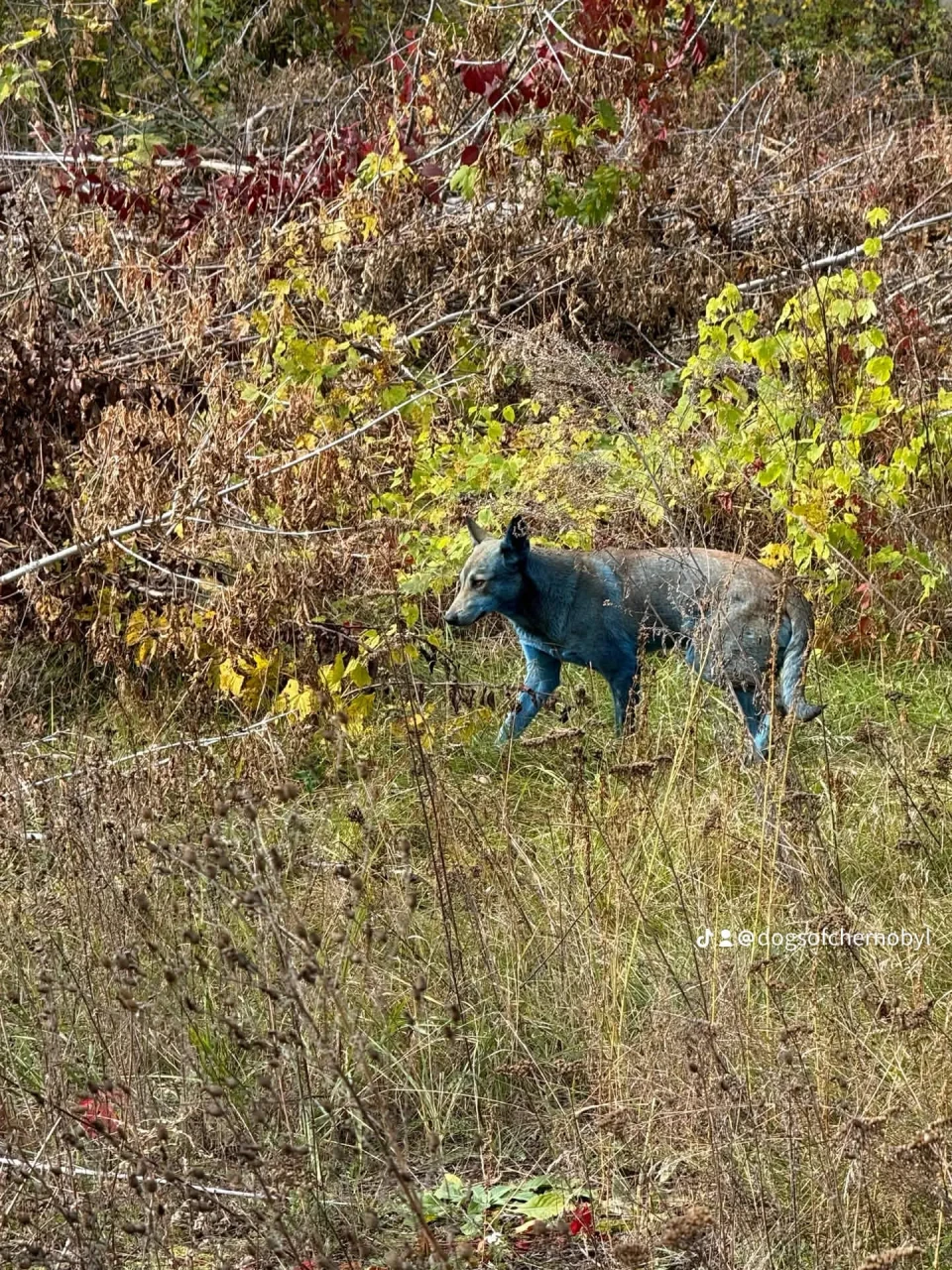
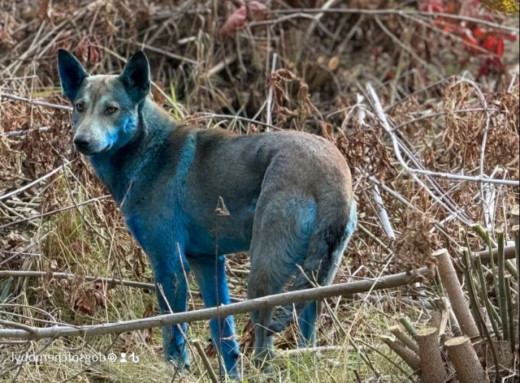
Photos and videos of "blue" dogs from the Chornobyl zone have spread across social networks and media. The footage was captured by the Dogs of Chernobyl team during a just-completed mission to sterilize animals and posted on the project’s official accounts. That’s where they went viral and sparked a wave of speculation about "radiation mutations." We contacted the project’s veterinary medical director, Jennifer Betz, and got a first-hand explanation, so we’re laying the situation out clearly.
Who is Jennifer Betz and what is Dogs of Chernobyl
Jennifer Betz is an experienced veterinarian who has coordinated field missions in the Exclusion Zone since 2017 within the Dogs of Chernobyl project of the Clean Futures Fund. The team carries out spay/neuter, vaccination, tagging, and feeding for hundreds of animals, engaging specialists from around the world and collaborating with researchers. The project was created to humanely control the population and reduce animal suffering in the Chornobyl zone.
Beyond day-to-day veterinary work, volunteers help scientists study the population of Chornobyl dogs. Research in recent years has shown genetic differences between groups of animals inside and outside the zone, but has not confirmed a widespread impact of increased mutagenesis as the main cause of these differences.

In the photo: Jennifer
Where the «blue» footage came from
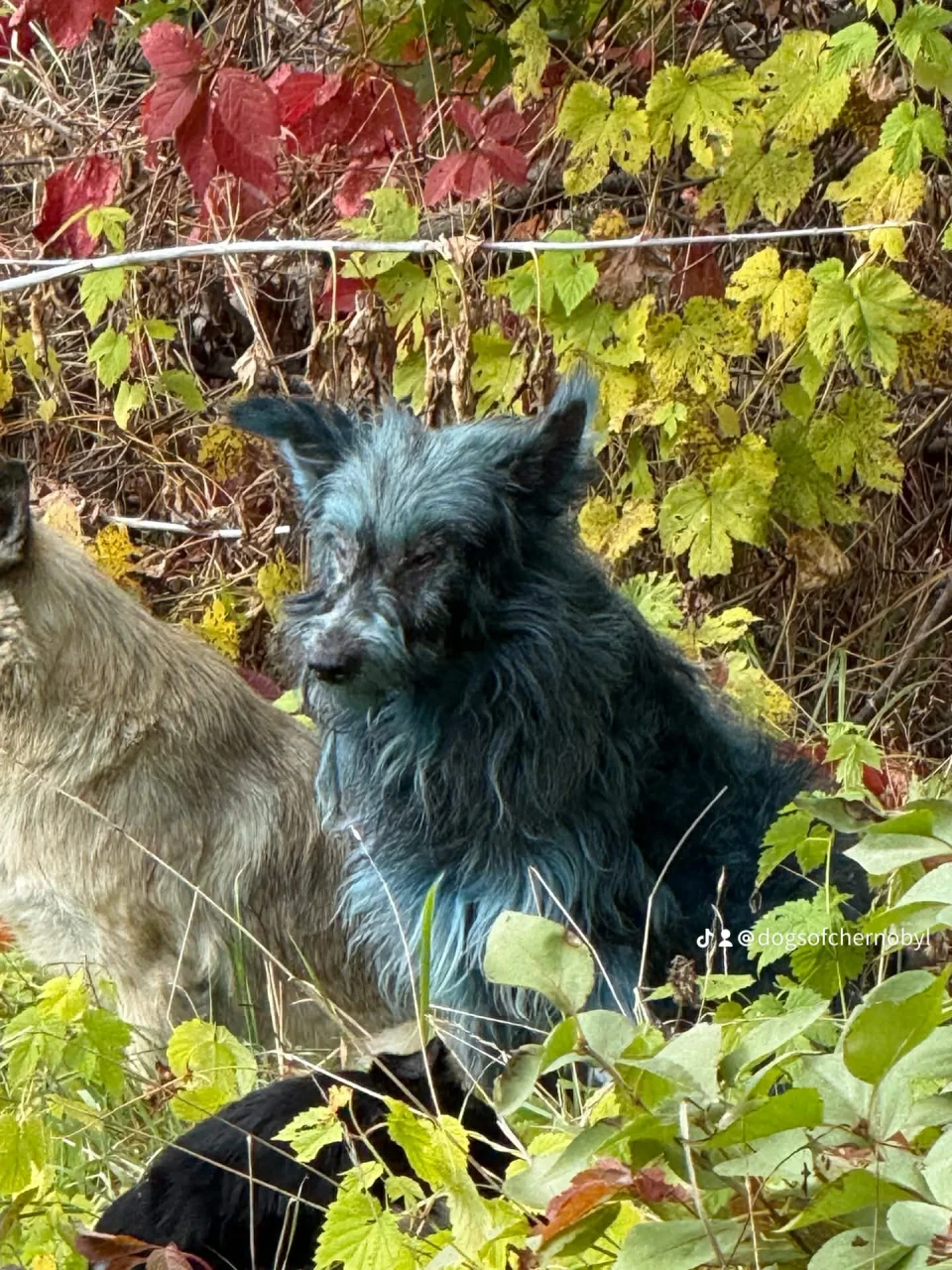
During the latest trip, volunteers noticed several energetic-looking dogs with bluish fur. They photographed and filmed them as part of documenting their work and posted the footage on the Dogs of Chernobyl official social accounts. After that, the images were picked up by media worldwide, along with hypotheses about «mutations».
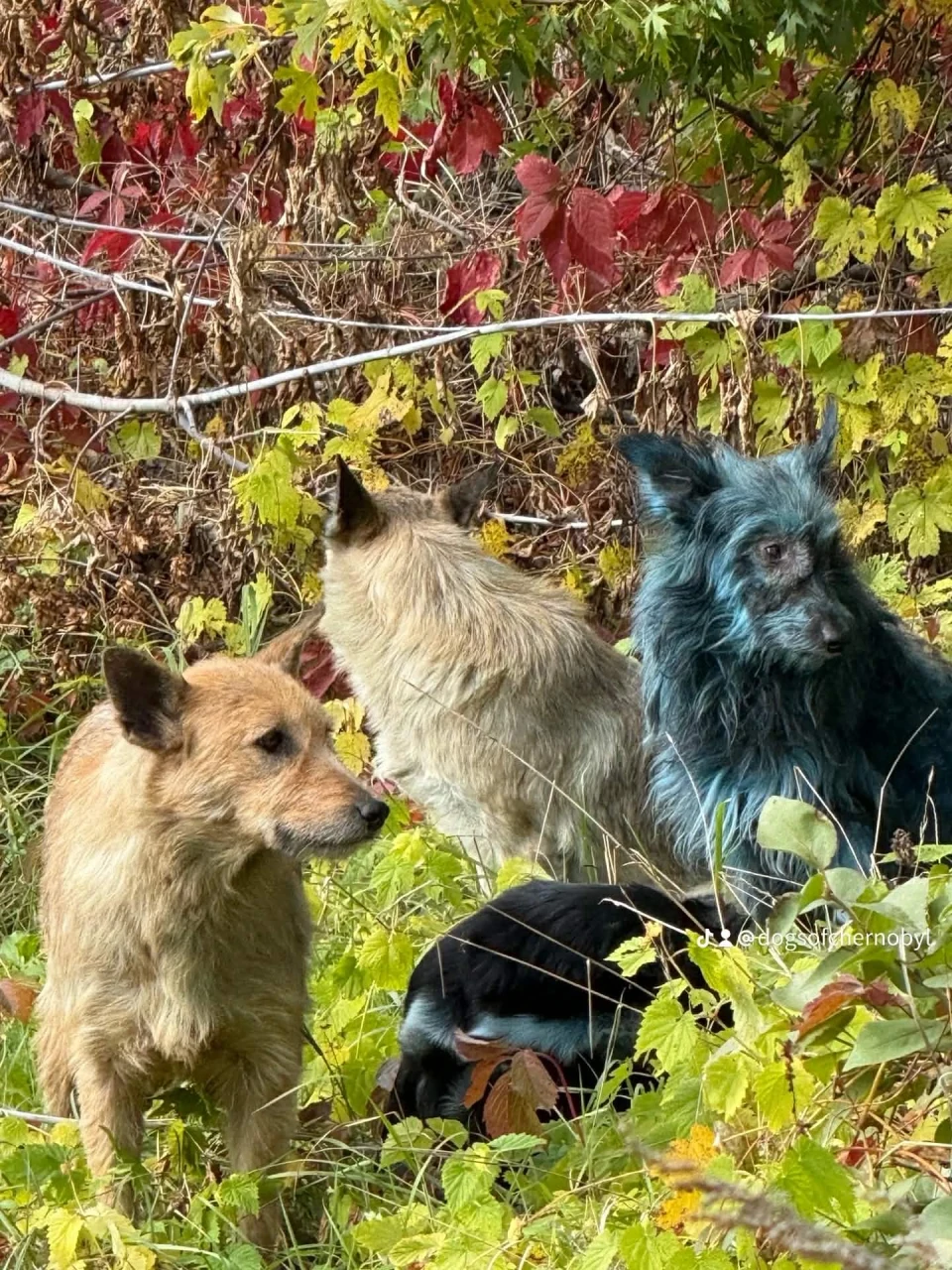
"I immediately wrote under the photos that it wasn’t due to radiation. The dogs got into something and contaminated their fur. We couldn’t catch them; every time we approach, they run away. These animals still need to be sterilized; we’ll try next time. People often twist things and write what brings clicks," Jennifer told Slavutych-Info.
In our conversation, she explained that this is external contamination rather than biological changes in the body. Ionizing radiation does not "dye" fur blue. It is far more likely the animals contacted a dye or a technical fluid, for example from old household equipment or a leak of a chemical mixture. Visually, the dogs were active, with no signs of acute problems; the key now is to humanely capture them, examine them, and carry out sterilization.
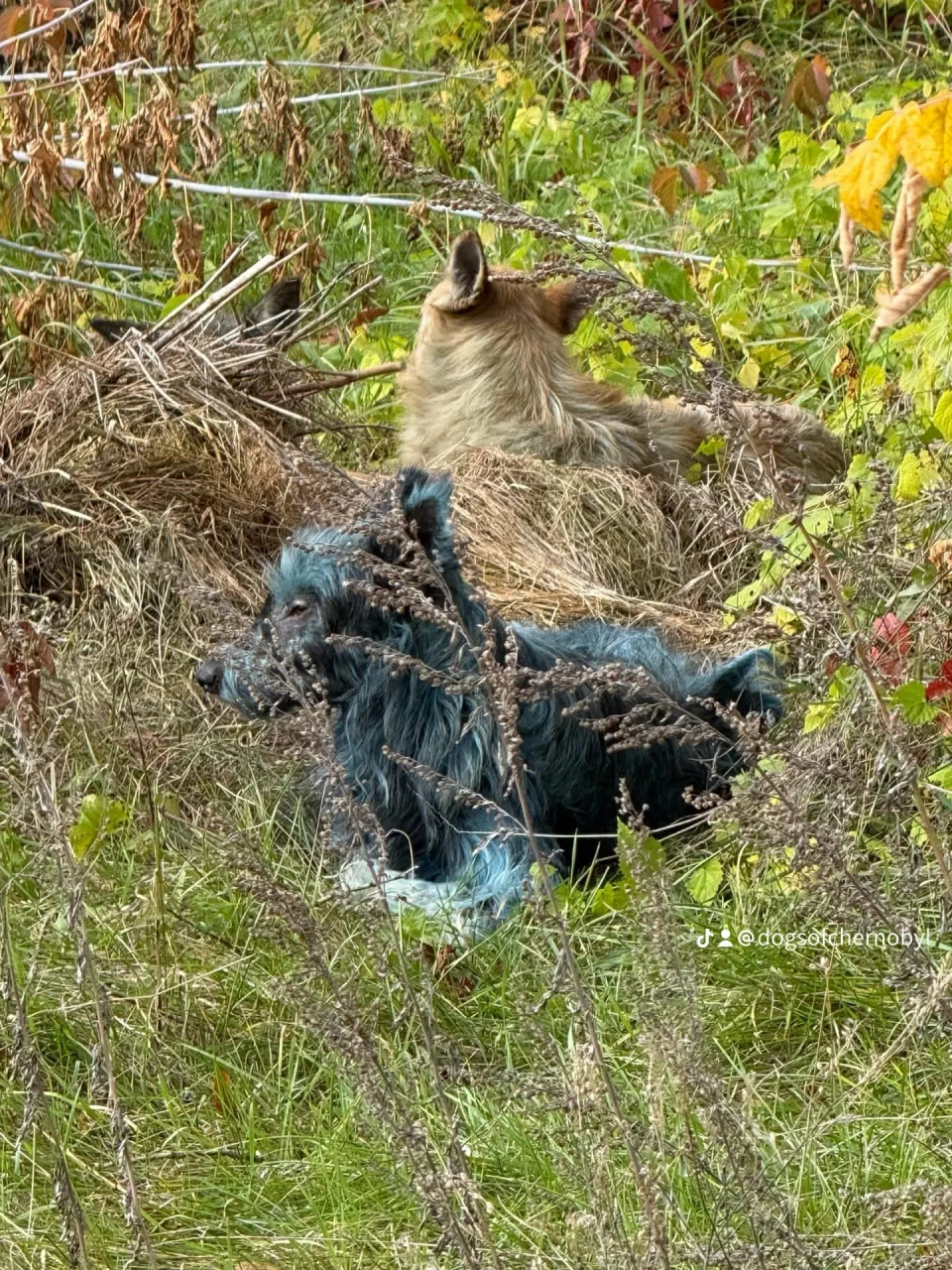
Scientific papers on the Chornobyl dog population describe genetic differences between groups but do not find evidence that increased mutagenicity is the driver. So the bluish tint is highly likely explained by contact with dye or technical liquids – similar cases have happened before, for example in Mumbai, where industrial effluents «dyed» the dogs.
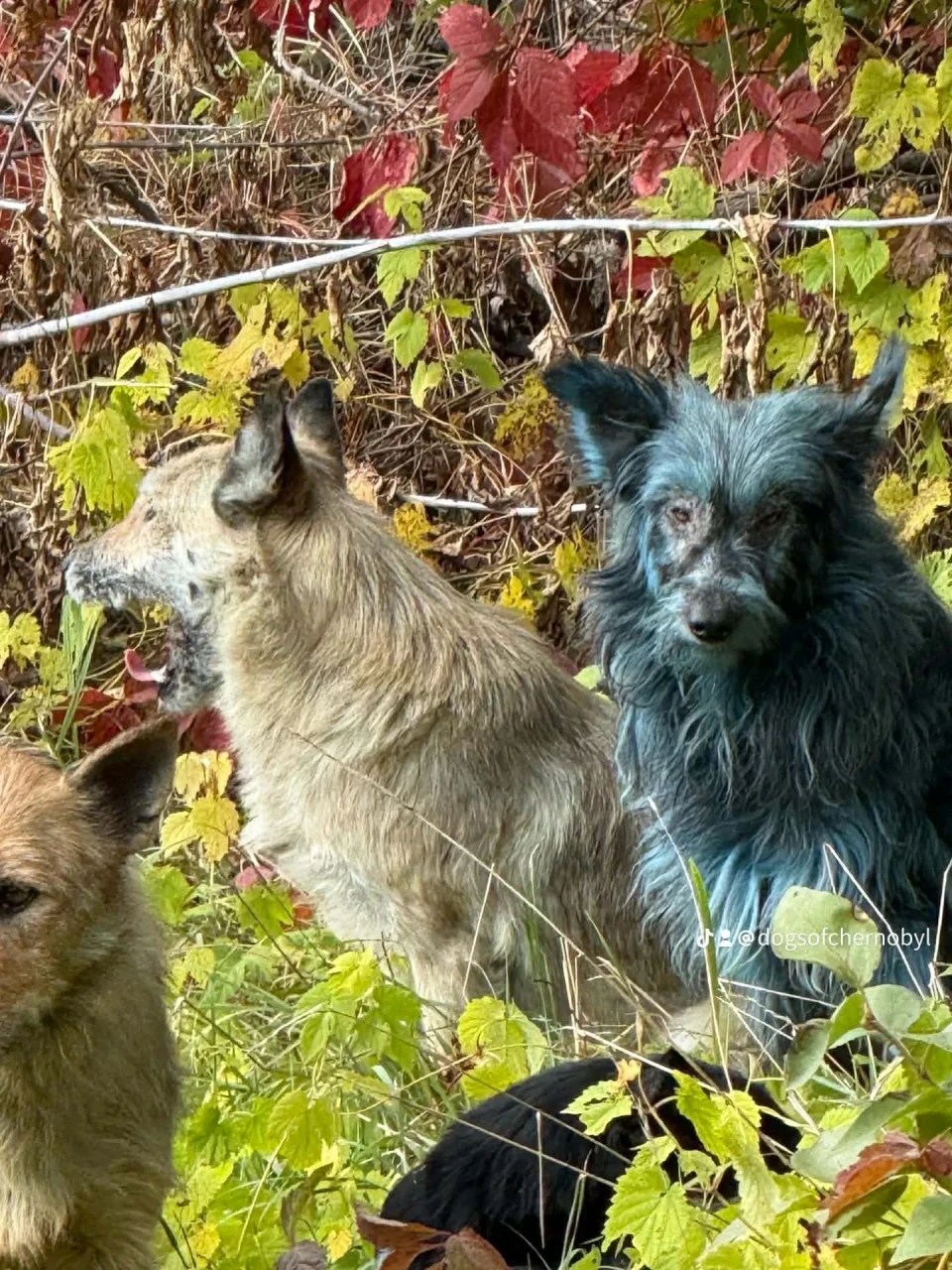
By the way, this mission was productive: the team sterilized 98 dogs and cats, and plans to capture the "blue" animals during the next campaign. The volunteers are preparing to return in the spring, including to Slavutych, during the week commemorating the accident’s anniversary.
Bottom line
Photos from the project’s official account kicked off a viral topic, but the sensation about «radiation mutants» is not supported. We received a clear answer from a specialist: the blue color was caused by chemistry, not radiation.
Spreading sensational headlines doesn’t help animals. Systemic, on-the-ground work does, and the Dogs of Chernobyl team continues to do it.